Category: Health policy
-

From laboratory to hospital: rethinking the rules for medical research
A hospital treats the patient. A university laboratory prepares the therapy. Why does the laboratory’s address change the rules — and how could research approvals better support their work?
-
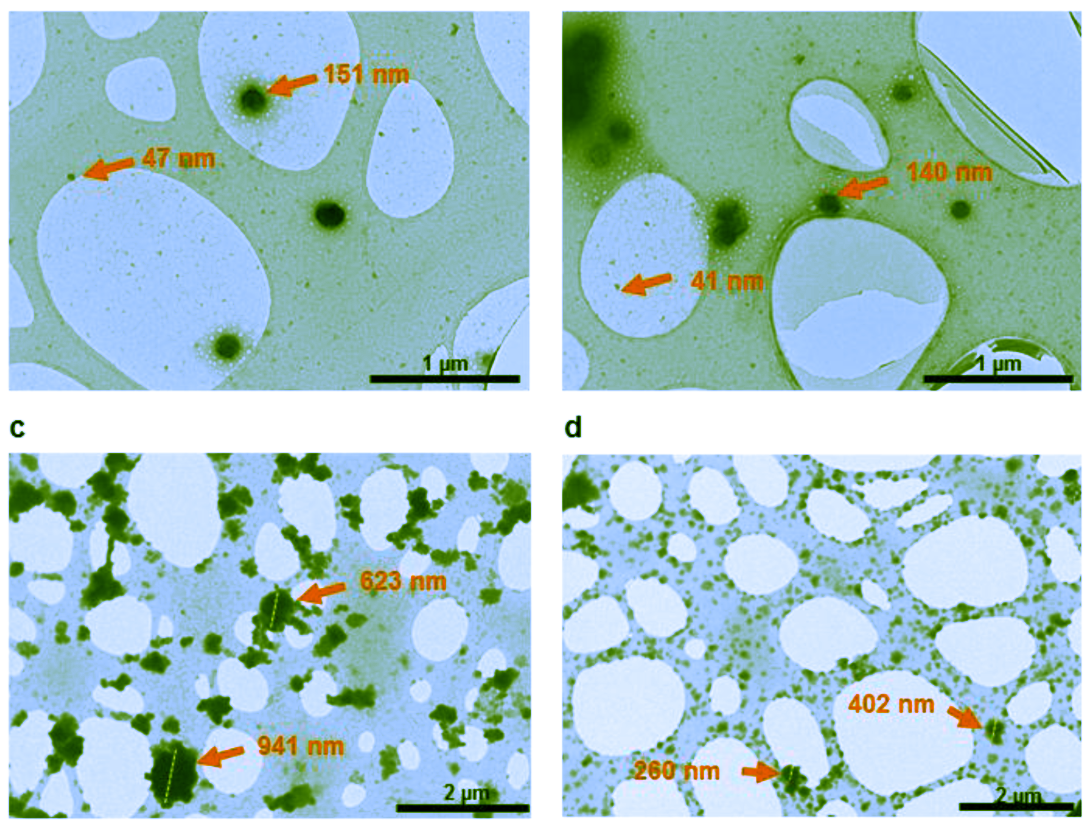
A ‘regulatory quagmire’? Extracellular vesicle therapies in Australia
Extracellular vesicles hold promise for regenerative medicine and drug delivery. Their path to clinical use presents regulatory challenges as well as scientific ones.
-

Rethinking Australia’s tobacco revenue plunge
Falling tobacco revenue and a growing illicit market have prompted calls to rethink excise. Neil Francey examines the debate and its implications for tobacco policy.
-

Two years on from Australia’s bold psychedelic experiment, here are our concerns
Two years into Australia’s medical psychedelic scheme, a patchwork of regulation, unlawful promotion and risks to patients point to the need for improvements.
-
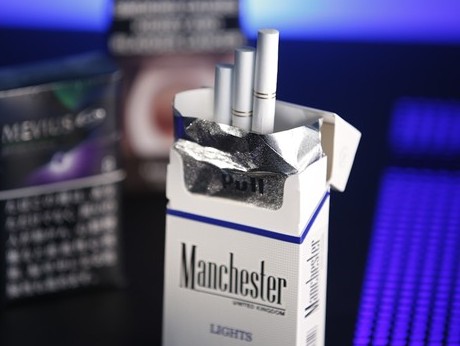
Could a national tobacco retail licensing scheme help to combat illicit tobacco in Australia?
Could a national tobacco retail licensing scheme offer a more effective response to illicit trade? Neil Francey examines the case for a coordinated approach.
-

Tracing Australia’s vaping controls back to source
Australia’s vaping rules changed substantially in 2023–2024. This guide traces the major reforms back to their legislative sources and explains how the framework fits together.
-

Paradise at risk: recommendations to control tobacco and alcohol industry interference in Pacific Island Countries and Territories
Tobacco and alcohol industry influence threatens public health across the Pacific. The authors consider how governments can better protect health policy from that interference.
-

Spill your guts, it could be good 4 u: Three ‘lessons’ doctors can learn from teenage girls
In Olivia Rodrigo’s sophomore album ‘Guts’ (2023), the pop artist centers the ‘messy emotions’ and mistakes she has made growing up. While Rodrigo’s fans have embraced this introspective approach, can medical practitioners learn anything from the process?
-

How old’s too old to be a doctor? Why GPs and surgeons over 70 may need a health check to practise
Surging complaints against older doctors has prompted the Medical Board of Australia to propose reforms for this cohort. But haven’t we moved on from set retirement ages? And would this amount to discrimination?
-

A small injection of strictness: The TGA’s clampdown on cosmetic injectables advertising
The Therapeutic Goods Administration (TGA) recently published updated guidance on advertising cosmetic injectables. It’s a reminder that advertising prescription drugs in Australia is prohibited. But what are the issues here?
-

The first pig kidney has been transplanted into a living person. But we’re still a long way from solving organ shortages
Reports are increasing of patients receiving xenotransplanted organs under ‘compassionate use’ exemptions. The number of CRISPR/Cas9 genome edits are also increasing. But the science does not yet demonstrate ‘proof of principle.’
-

Choosing a new doctor? Earlier sexual misconduct may soon be on the public record
Reports of sexual misconduct by Australian health practitioners against patients continue to increase. Now, Australian health ministers are considering three interesting amendments intended to protect patients from boundary violations.
-

Regulating harmful cross-border advertising: can it be done?
How do governments prevent their citizens from being exposed to harmful online advertising which originates outside of their jurisdiction? Such advertising is referred to as cross-border advertising. Advertisers have taken advantage of a digitised, interconnected world to reach broad audiences (including children) across national borders.
-

Alcohol causes 3 million deaths each year. Eliminating conflicts of interest is vital to bringing this number down
Alcohol causes three million deaths each year, including 13.5% of deaths amongst those aged 20-39 years. But the personal and economic costs of alcohol-related harm are not met by the alcohol industry.
-

Indigenous Peoples’ Inclusion in Food Governance
For NAIDOC Week, Dr Mark Lock speaks to Dr Belinda Reeve about championing health equity and inclusion for First Nations Australians in food governance.
-

Alcohol companies continue to play by their own rules, putting our children’s health at risk
Alcohol companies are largely left to write and administer their own rules through the Alcohol Beverages Advertising Code (ABAC) Scheme.
-

Another step forward for the Pacific Legislative Framework
Pacific Island Countries and Territories have some of the world’s highest rates of health risks. In response, the Public Health Division of the Pacific Community (SPC) has been driving an initiative for tackling the key risk factors: the Pacific Legislative Framework.
-

Closing the Gap and health governance reform: a brief review
The National Agreement on Closing the Gap is an ambitious all-of-government framework for improving the health and welfare of Australia’s first nations peoples. This post briefly reviews the Agreement and considers its significance as an example of health governance reform.
-

Big Alcohol and COVID-19: industry rules fail. Again.
This article was first published in MJA InSight+.Read the original ↗ WE know some people are more likely to drink – and drink more – during times of uncertainty and stress. Unsurprisingly, the alcohol industry is also aware of this. The COVID-19 pandemic has illustrated how quickly and creatively the alcohol industry will adapt its marketing practices…
-

COVID-19, medical research governance, and public health orders
The impact of coronavirus-related biomedical research and public heath laws have been considered in recent articles co-authored by Cameron Stewart, Professor of Health, Law and Ethics at the University of Sydney Law School. Science at warp speed: COVID-19 medical research governance In biomedical research focused on developing COVID-19 vaccines and therapies, the need for speed is taken for…