Category: Healthcare Law
-

Navigating the ‘regulatory quagmire’ for extracellular vesicle therapies in Australia
Extracellular vesicles are generating excitement as tools for regenerative medicine and drug delivery — but no EV-based therapeutic has received market approval anywhere in the world. In a new Perspective article, we argue the barriers are not solely technical. They are also regulatory.
-

Inaugural Carney Public Lecture | Australian Social Services Scandals: Towards dystopia? Or equity and justice for the vulnerable?
Thursday 11 December Time: 6-7.30pm (Refreshments to follow lecture)Venue: Law Lounge, Level 1, New Law Building Annexe (F10A)Eastern Avenue, University of Sydney, Camperdown campus Register for this free public lecture here In this lecture, Emeritus Professor Terry Carney explores the harm and injustices experienced by vulnerable Australians due to social services program failures such as Robodebt, employment services…
-

Teenagers refusing life-saving cancer treatment for religious reasons
Should courts allow minors (<18 years) to refuse life-saving medical treatment for religious reasons? My students don’t all agree that respect for the personal autonomy of a minor who fully understands the consequences of their decision, is all that matters. But many of them do.
-

Legislative restrictions on irreversible surgery on intersex children in the ACT: An unsurprising development?
Over a number of decades, personal autonomy has become a dominant value in Australian medical law. Yet, as new legislation restricting intersex interventions illustrates, the content of personal autonomy is subtly changing.
-

A small injection of strictness: The TGA’s clampdown on cosmetic injectables advertising
The Therapeutic Goods Administration (TGA) recently published updated guidance on advertising cosmetic injectables. It’s a reminder that advertising prescription drugs in Australia is prohibited. But what are the issues here?
-
![Case note: Fidge v Pfizer Australia Pty Ltd [2024] FCA 161](https://sydneyhealthlaw.com/wp-content/uploads/2024/03/pexels-photo-5863366.jpeg?w=867)
Case note: Fidge v Pfizer Australia Pty Ltd [2024] FCA 161
In a case interesting for many reasons, Rofe J of the Federal Court of Australia has held it is not an ‘incident of medical practice’ for medical practitioners to challenge alleged offences under law to (putatively) protect patients.
-

Choosing a new doctor? Earlier sexual misconduct may soon be on the public record
Reports of sexual misconduct by Australian health practitioners against patients continue to increase. Now, Australian health ministers are considering three interesting amendments intended to protect patients from boundary violations.
-

Let guidelines be your guide: AHPRA and National Boards to reform cosmetic procedures sector
As the guidelines develop, it will be interesting to see how the regulator and Boards attempt to deal with the difficult problem of social media promotion in this very popular sector.
-

Doctors may soon get official ‘endorsements’ to practise cosmetic surgery – but will that protect patients?
People who are interested in exploring whether cosmetic surgery is appropriate for them are right to feel wary and confused. Now, the introduction of a scheme to officially endorse doctors who practise in the area of cosmetic surgery promises to allay patients’ doubts. But the idea remains contentious for those in the field.
-

Thinking about cosmetic surgery? At last, some clarity on who can call themselves a surgeon
Currently, doctors doing cosmetic surgeries can call themselves ‘surgeons’ without special training. But soon, the title will be protected.
-
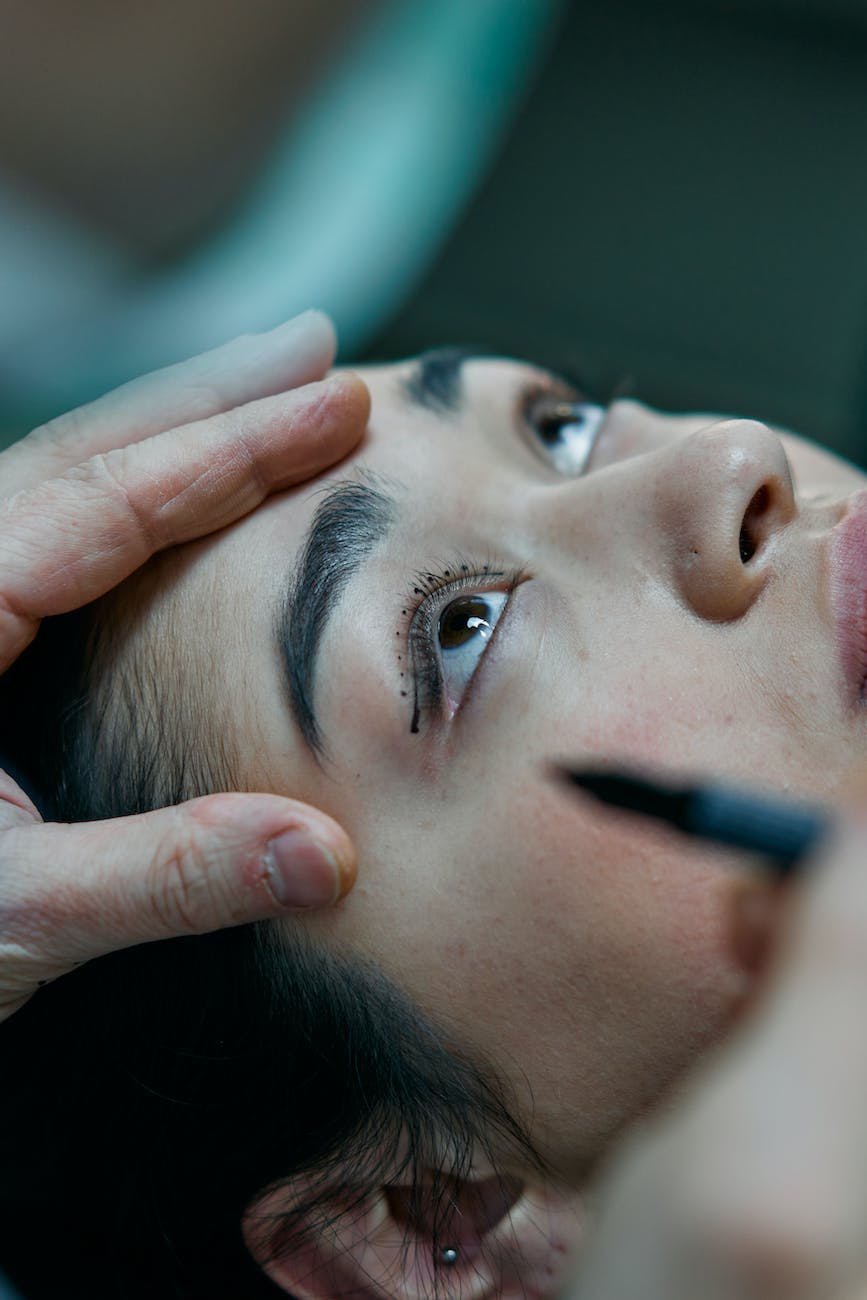
Who’s the best doctor for a tummy tuck or eyelid surgery? The latest review doesn’t actually say
If you’re thinking about cosmetic surgery, how do you know which health practitioner to trust? A review of how cosmetic surgery is regulated in Australia, released today, may help consumers decide.
-

Developed countries, dwindling national flexibilities, and access to essential medications during public-health emergencies
Developed countries have wound back the breadth and effectiveness of flexible obligations in international patent agreements.
-
The courts’ role in treatment for childhood gender dysphoria: recent updates
In 2020 and 2021, there were significant developments in the courts’ role in treatment for childhood gender dysphoria. The UK case of Bell v Tavistock is well known, but Re Imogen is of more practical importance here in Australia. Both cases illustrate the changing role of the courts in treatment for childhood gender dysphoria, following…
-

The Covidsafe app: speed at the expense of transparency and accountability
Australia’s COVIDSafe app was launched by the Australian Government in April 2020. But the app has been hampered by concerns about its security, privacy, and effectiveness.
-
COVID-19, patients’ mental capacity and prisoners
The coronavirus pandemic has raised an abundance of issues at the intersection of law and medicine. In recent co-authored articles, Cameron Stewart, Professor of Health, Law and Ethics at the University of Sydney Law School considers some of these issues. Mental capacity assessments for COVID-19 patients: Emergency admissions and the CARD approach In this Journal of Bioethical Inquiry article, Professor Cameron…
-
COVID-19, medical research governance, and public health orders
Posted by Belinda Reeve on behalf of Cate Stewart The impact of coronavirus-related biomedical research and public heath laws have been considered in recent articles co-authored by Cameron Stewart, Professor of Health, Law and Ethics at the University of Sydney Law School. Science at warp speed: COVID-19 medical research governance In biomedical research focused on developing COVID-19 vaccines…
-
ABC v St George’s Healthcare NHS Trust: a new duty at the intersection of healthcare confidentiality and harm to others
The duty of confidentiality is crucial to building relationships of trust and confidence between patients and healthcare professionals, and to effective healthcare systems more broadly. However, the law recognises that the duty of confidentiality is not absolute and sometimes needs to yield to other public interests. A recent UK case, ABC v St George’s…
-
Some recent cases on s 5O of the Civil Liability Act 2002 (NSW)
Section 5O of the Civil Liability Act 2002 (NSW) (CLA) introduced a modified version of the Bolam principle into the law of civil liability in NSW, extended to professionals other than medical professionals (the original subject of the principle). The effect of s 5O(1) is that a court is prevented from making a finding of…
-
My brain made me do it: will neuroscience change the way we punish criminals?
Allan McCay and Jeanette Kennett Australian law may be on the cusp of a brain-based revolution that will reshape the way we deal with criminals. Some researchers, such as neuroscientist David Eagleman, have argued that neuroscience should radically change our practices of punishment. According to Eagleman, the courts should give up on the notion of…
 Sydney Health Law