Category: Case notes
-

Teenagers refusing life-saving cancer treatment for religious reasons
Should courts allow minors (<18 years) to refuse life-saving medical treatment for religious reasons? My students don’t all agree that respect for the personal autonomy of a minor who fully understands the consequences of their decision, is all that matters. But many of them do.
-

Moral conviction is not standing: Fidge v Pfizer and the Gene Technology Act
In a case interesting for many reasons, Rofe J of the Federal Court of Australia has held it is not an ‘incident of medical practice’ for medical practitioners to challenge alleged offences under law to (putatively) protect patients.
-

Proving the “competent professional practice” defence in NSW: Is the law any clearer after Dean v Pope?
Background A health practitioner who is sued for negligence in NSW will avoid liability under s 5O(1) of the Civil Liability Act 2002 (NSW) “if it is established that the professional acted in a manner that (at the time the service was provided) was widely accepted in Australia by peer professional opinion as competent professional…
-

The courts’ role in treatment for childhood gender dysphoria: recent updates
In 2020 and 2021, there were significant developments in the courts’ role in treatment for childhood gender dysphoria. The UK case of Bell v Tavistock is well known, but Re Imogen is of more practical importance here in Australia. Both cases illustrate the changing role of the courts in treatment for childhood gender dysphoria, following…
-

A triumph for religious freedom, or viral spreading? The US Supreme Court in Roman Catholic Diocese of Brooklyn v Cuomo
During his Presidency, President Trump had the opportunity to appoint three new Justices to the U.S. Supreme Court. In 2017, the acerbic conservative Justice Neil Gorsuch replaced Justice Antonin Scalia; In 2018, Justice Brett Kavanaugh replaced retiring Justice Anthony Kennedy; and In 2020, Justice Amy Coney Barrett replaced Justice Ruth Bader Ginsburg. These three appointments…
-

Reckless, incompetent, outrageous: rogue doctors performing cosmetic surgery still a problem in NSW
A previous post briefly reviewed the regulation of cosmetic surgery in New South Wales. This post reviews the decision of the NSW Civil and Administrative Tribunal in Health Care Complaints Commission v Blackstock. Professional disciplinary complaints in NSW First, some background. In NSW, professional disciplinary complaints against a medical practitioner can be made on a…
-

ABC v St George’s Healthcare NHS Trust: a new duty at the intersection of healthcare confidentiality and harm to others
The duty of confidentiality is crucial to building relationships of trust and confidence between patients and healthcare professionals, and to effective healthcare systems more broadly. However, the law recognises that the duty of confidentiality is not absolute and sometimes needs to yield to other public interests. A recent UK case, ABC v St George’s…
-

Some recent cases on s 5O of the Civil Liability Act 2002 (NSW)
Section 5O of the Civil Liability Act 2002 (NSW) (CLA) introduced a modified version of the Bolam principle into the law of civil liability in NSW, extended to professionals other than medical professionals (the original subject of the principle). The effect of s 5O(1) is that a court is prevented from making a finding of…
-

Sparks v Hobson must go to the High Court: here’s why
In NSW, Section 5O of the Civil Liability Act provides a defence to a doctor or health professional who is defending a negligence claim. Under s 5O, a person will not be liable “if it is established that the professional acted in a manner that (at the time the service was provided) was widely accepted…
-
ACCC v Heinz: A significant win for public health
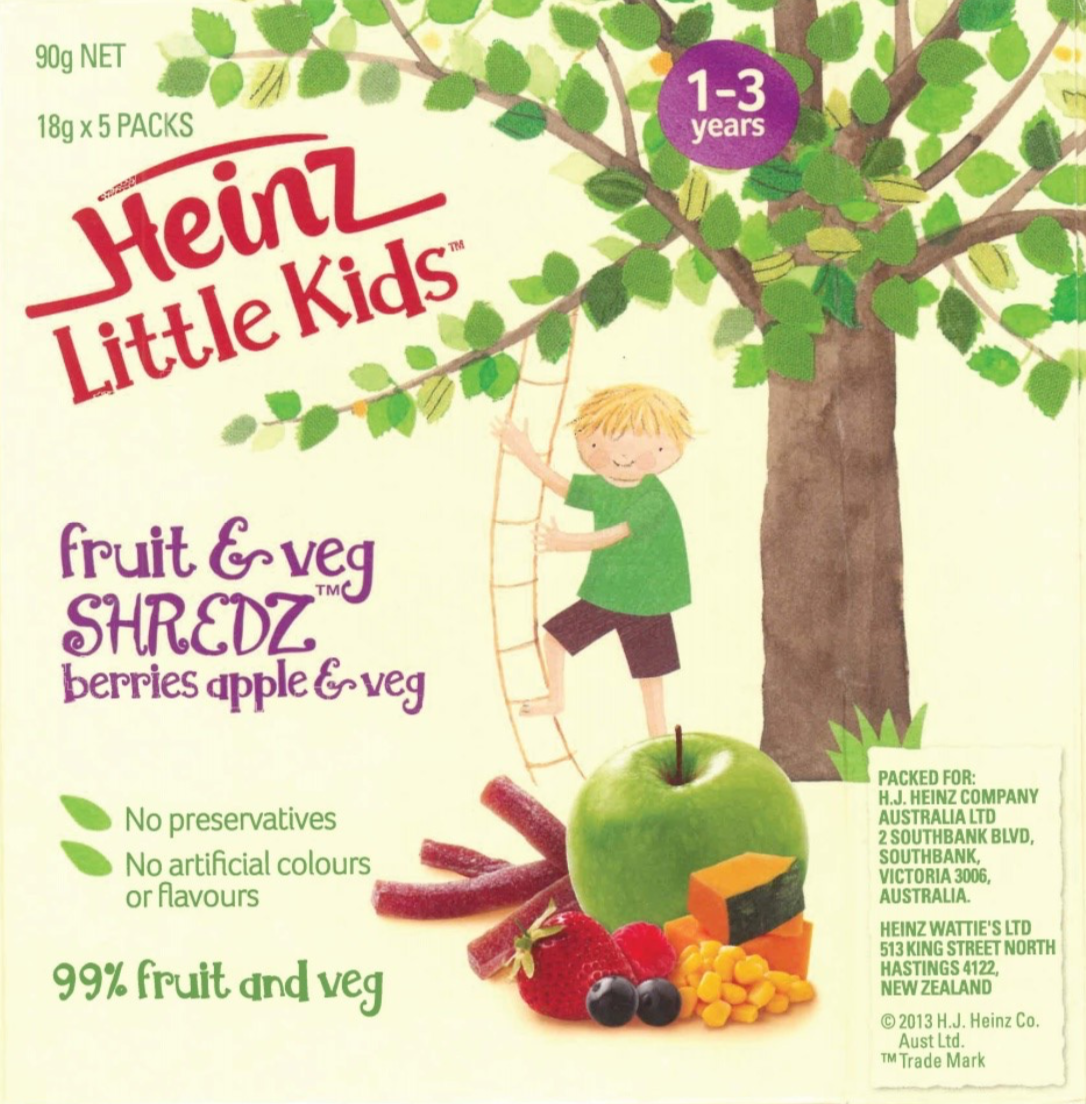
In a significant victory for public health, Australia’s Federal Court has held that Heinz engaged in misleading and deceptive conduct in the marketing of a snack food targeted to toddlers (ACCC v Heinz [2018] FCA 360). The case should be seen as a win for public health not just because of the final outcome, but…
-

IVF stuff-ups and tort liability for loss of genetic affinity
Most of us know Singapore for its excellent airport, excellent food and other diversions. But a recent decision of Singapore’s Court of Appeal, ACB v Thomson Medical, deserves attention. The case is noted here. In this case, a mistake was made in the process of an in vitro-fertilisation procedure involving a Singaporean Chinese woman and…
-

Liability for failure to effectively manage morbidly obese patients: it’s time to look again at Varipatis v Almario – here’s why
What should a GP do with a morbidly obese patient who is in denial about their weight problem? Although it involved a complex set of facts, it’s time to revisit Almario v Varipatis (No 2) [2012] NSWSC 1578, reversed on appeal (Varipatis v Almario [2013] NSWCA 76). Doctors should take no comfort in the fact…
-

Are these photos the pointy end of tobacco control? Or just another example of what the tobacco industry does best?
If the e-cigarette industry in Australia has a martyr, his name is probably Vince van Heerden. More about him in a moment. Advocates for e-cigarettes claim that they are a healthier alternative to smoking, and provide a ray of hope for desperately addicted smokers. However, before you make up your mind, look at how e-cigarettes…
-
Central Queensland Hospital v Q: Access to abortion in Queensland and children’s ability to consent to medical treatment
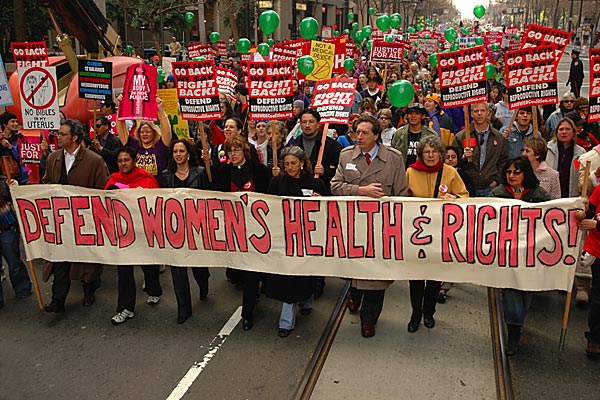
The decision in Central Queensland Hospital and Health Service v Q raises interesting issues in relation to the criminalization of abortion in Queensland and children’s ability to consent to medical treatment. Q was a pregnant 12 year old girl who was referred to medical staff at the Central Queensland Hospital after asking her GP for…
-

Those pesky Dutch are at it again
Those pesky Dutch are at it again. Rather than slashing investments in renewable energy, or preparing for the imminent threat of global cooling, a court in the low country has ruled that the Dutch government has a legal duty to contribute to global efforts to mitigate climate disaster caused by excess greenhouse gas emissions. The…
-

Policing parenting: is the Family Court going to punish you for having a drink?
News outlets have pounced on a Family Court “order” for parents of a six-year-old boy to not smoke around the child and to limit their alcohol consumption while caring for him. Readers commented that the case represents an unacceptable “intervention by the courts into the personal space of the individual”, and that it was an…