-
COVID-19, patients’ mental capacity and prisoners
The coronavirus pandemic has raised an abundance of issues at the intersection of law and medicine. In recent co-authored articles, Cameron Stewart, Professor of Health, Law and Ethics at the University of Sydney Law School considers some of these issues. Mental capacity assessments for COVID-19 patients: Emergency admissions and the CARD approach In this Journal of Bioethical Inquiry article, Professor Cameron…
-

Reckless, incompetent, outrageous: rogue doctors performing cosmetic surgery still a problem in NSW
A previous post briefly reviewed the regulation of cosmetic surgery in New South Wales. This post reviews the decision of the NSW Civil and Administrative Tribunal in Health Care Complaints Commission v Blackstock. Professional disciplinary complaints in NSW First, some background. In NSW, professional disciplinary complaints against a medical practitioner can be made on a…
-
Improving safety for patients undergoing cosmetic surgery in NSW
If you’ve ever had work done, or thought about it, the decision of the NSW Civil and Administrative Tribunal in Health Care Complains Commission v Blackstock should send a shiver down your spine. This case is a powerful reminder of how behaviour that constitutes professional misconduct can give rise to professional sanctions, criminal liability, and…
-


COVID-19, medical research governance, and public health orders
The impact of coronavirus-related biomedical research and public heath laws have been considered in recent articles co-authored by Cameron Stewart, Professor of Health, Law and Ethics at the University of Sydney Law School. Science at warp speed: COVID-19 medical research governance In biomedical research focused on developing COVID-19 vaccines and therapies, the need for speed is taken for…
-

Freedom to protest, public health, and Covid-19
Podcast: the recording of the event described below is available here. Recently, a number of protests have taken place on the grounds of The University of Sydney against Commonwealth government education policies. See, for example, here (28 August) and here (14 October). During the latter protest, police were filmed throwing a demonstrator heavily onto concrete (see…
-

Four things to think about before starting a PhD
Everyone’s thoughts are turning towards 2022, and hopefully, how much better it’ll be than the cluster truck that was 2021. For you, thinking about 2022 could mean considering whether or not to start postgraduate studies, and more specifically, a PhD. This is a big call. A life-changing event, in fact. This blogpost covers four things…
-

Rule of law in the Covid-19 response
The International Development Law Organisation (IDLO) has released a short publication that highlights the role of law in governments’ response to Covid-19. See here. Established by international treaty in 1988, IDLO is an inter-governmental organisation devoted to upholding the rule of law. Australia, and the United States, are among its 37 member parties, which span…
-
Vaping: the madness of the British?
My google search engine thinks Public Health England (PHE) is a vaping organisation. “Vaping organisation UK”. You can try it yourself. E-cigarettes lie at the centre of PHE’s tobacco control strategy, probably drawing attention and commitment away from alternative strategies for reducing smoking rates. In September 2017, PHE encouraged smokers to “stop smoking with an…
-

Post Covid: alcohol and the night time economy in the Sydney CBD
Sydney’s CBD has been bleak and empty the past few months, especially at night, but coronavirus restrictions in NSW are slowly easing. From 1 June, pubs, clubs, cafes and restaurants can seat up to 50 customers (instead of the previous 10), provided businesses ensure social distancing of one person per 4 square metres, and no…
-

ABC v St George’s Healthcare NHS Trust: a new duty at the intersection of healthcare confidentiality and harm to others
The duty of confidentiality is crucial to building relationships of trust and confidence between patients and healthcare professionals, and to effective healthcare systems more broadly. However, the law recognises that the duty of confidentiality is not absolute and sometimes needs to yield to other public interests. A recent UK case, ABC v St George’s…
-
Who’s in control of Australia’s response to coronavirus? Part 2: Operational responses
For part 1 of this post, click here. One reason why there is a measure of confusion about operational control during an outbreak of disease with pandemic potential is because of the different functions and responsibilities of the Commonwealth, and the States within a federation. For example, even if the (modest) number of cases meant…
-
Who’s in control of Australia’s response to coronavirus? Part 1: Legal frameworks
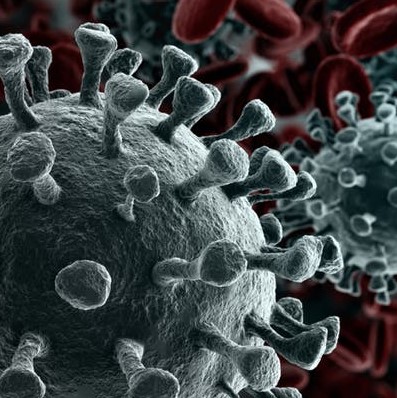
The situation in Australia with human coronavirus is deteriorating. 454 cases so far, and 5 deaths, but cases are rising rapidly. See here for updates. Globally: 6,800 deaths and rising. Australia’s Chief Medical Officer – Australia’s Director of Human Biosecurity – has advised the Council of Australian Governments (COAG) that gatherings of more than 500…
-

Despite industry objections, alcohol and pregnancy warnings will be mandatory in Australia and New Zealand
The food regulator, Food Standards Australia New Zealand (FSANZ) has finalised the form of the alcohol and pregnancy warning label that will be mandatory on packaged alcohol sold in both countries. Assuming the States do not request a further review, the new warning will be added as an amendment to Standard 1.2.7 of the Food…
-

Legal management of the novel Coronavirus (2019-nCoV) in Australia
On 31 January the Director-General of the World Health Organisation, Dr Tedros Adhanom Ghebreyesus declared the novel coronavirus (2019-nCoV) a public health emergency of international concern (PHEIC), following the advice of the Emergency Committee. (See here). Under the International Health Regulations, which govern global management of infectious disease outbreaks, a declaration that a PHEIC exists…
-

Australia and the language of fire
There are currently 100 fires burning across New South Wales. Fifty of them are uncontained, as the weather swings between baking hot, and blustery southerlies. Here in Sydney, the sky looks yellow. Soot is washing up on Sydney beaches, and clouds of dust are turning New Zealand glaciers pink. According to the Bureau of Meteorology…
-

International Guidelines on Human Rights, Healthy Diets and Sustainable Food Systems: could they make a difference?
The BMJ has published an Opinion calling on the Director-General of the World Health Organisation, Dr Tedros Adhanom Ghebreyesus, and the United Nations High Commissioner for Human Rights, Dr Michelle Bachelet, to jointly initiate a process to develop International Guidelines on Human Rights, Healthy Diets, and Sustainable Food Systems. 180 signatories from 38 countries have supported…
-

Smoke-free streets and lanes: a growing headache for big tobacco?
Smoke-free Melbourne? One of Melbourne’s quintessential experiences is to stroll its laneways, many lined with restaurants. Smoking here would spoil things for everyone. In 2014, Causeway Lane, a small restaurant strip running between Bourke Street Mall and Little Collins Street, went smokefree. You can read reactions to this smoke-free pilot here. Three more laneways were…
-

Breastfeeding rooms in US federal buildings: who would have thought?!
Last year the US watered down a resolution of the World Health Assembly that would have called on States to “protect, promote and support breast-feeding”, and to provide technical support to “halt inappropriate promotion of foods for infants and young children”. A step too far, apparently, given the economic interests of US-domiciled formula companies. See…
-

Abortion law reform and conscientious objectors in NSW
New South Wales is on the cusp of reforming its decades-old abortion laws. Reproductive Health Care Reform Bill 2019 which passed the State’s Legislative Assembly last week abolishes the triumvirate of criminal offences for abortion in the Crimes Act 1900 (ss 82-84), together with any residual common law liability for performing an abortion. It creates…
-

Infrastructure…non-communicable diseases: Australia’s pivot to the Pacific islands an opportunity to take Pacific health priorities seriously
Barely 100 metres from Australia’s High Commission in Nukoalofa, Tonga, lies this plaque – erected by the People’s Republic of China. In 2012, China upgraded a small section of road in the Tongan capital, installing drains beside the sidewalk in a town prone to flooding. Close by, in other parts of the town, rain collects…
New perspectives on health, law and ethics, delivered to your inbox.
Browse topics
Health and technology
-

Neurorights for computational neurosurgeons
Implanted neural devices promise to relieve enormous suffering, but they also raise questions about privacy, manipulation, and what informed consent can mean for a system that keeps changing. And one day, the neurosurgeons implanting them may need neurorights of their own.
-
A ‘regulatory quagmire’? Extracellular vesicle therapies in Australia
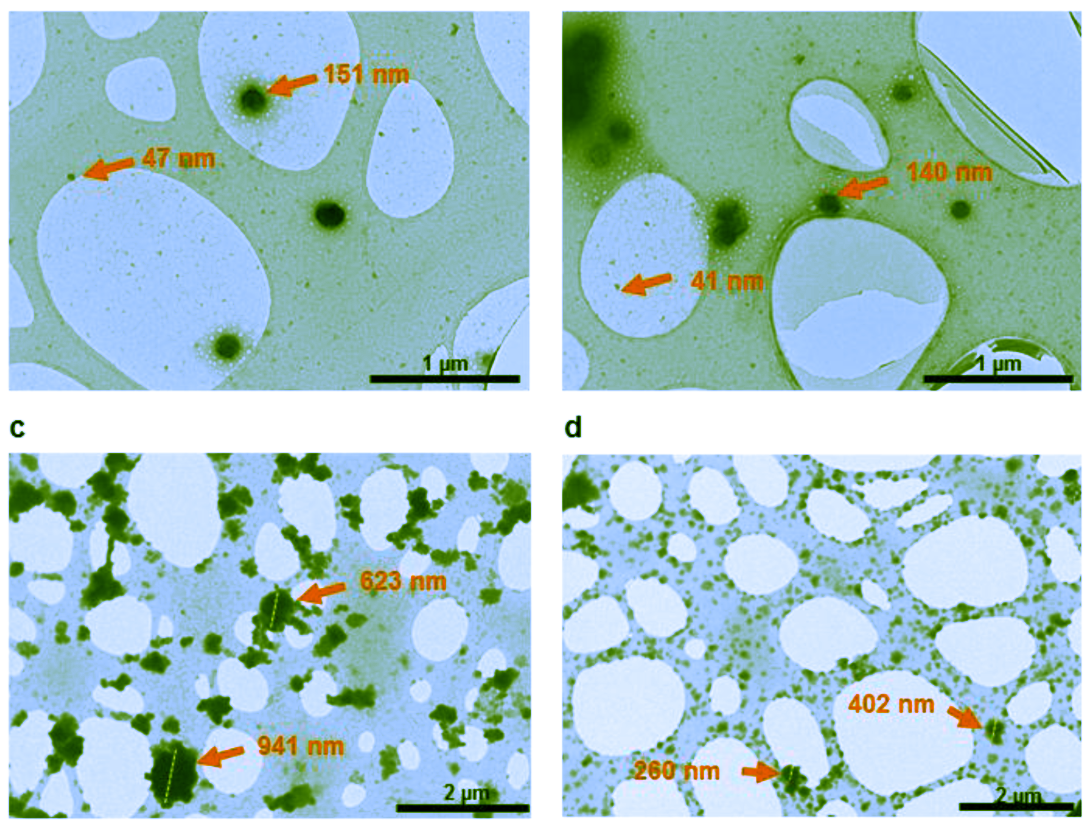
Extracellular vesicles hold promise for regenerative medicine and drug delivery. Their path to clinical use presents regulatory challenges as well as scientific ones.
-

Chimeric animals: Bioethically questionable but scientifically informative?
A new study published in Cell demonstrates the potential of donated embryonic stem cells to effectively blend with a primate’s cellular DNA, creating a chimeric animal.
Public health law
-


Vaping law reform: Protecting the Pacific
Vaping is on the rise and governments are scrambling to respond. Guest authors Sophia Bleakley, Clare Gim and Helen Zhang analyse the issues.
-

Strengthening Australia’s smoke and vape-free beach culture (north, and south, of the border)
Keeping beaches smoke and vape-free severs the link between relaxation and nicotine addiction. It says you don’t need to harm your body to enjoy yourself.
-

Pokies: joyless, nasty, and on the way out?
Some pubs are removing poker machines. Roger Magnusson considers gambling harm and the case for stronger regulation in NSW.
-

Regulating harmful cross-border advertising: can it be done?
How do governments prevent their citizens from being exposed to harmful online advertising which originates outside of their jurisdiction? Such advertising is referred to as cross-border advertising. Advertisers have taken advantage of a digitised, interconnected world to reach broad audiences (including children) across national borders.
-

Indigenous Peoples’ Inclusion in Food Governance
For NAIDOC Week, Dr Mark Lock speaks to Dr Belinda Reeve about championing health equity and inclusion for First Nations Australians in food governance.
Case notes
-

Teenagers refusing life-saving cancer treatment for religious reasons
Should courts allow minors (<18 years) to refuse life-saving medical treatment for religious reasons? My students don’t all agree that respect for the personal autonomy of a minor who fully understands the consequences of their decision, is all that matters. But many of them do.
-
Moral conviction is not standing: Fidge v Pfizer and the Gene Technology Act
In a case interesting for many reasons, Rofe J of the Federal Court of Australia has held it is not an ‘incident of medical practice’ for medical practitioners to challenge alleged offences under law to (putatively) protect patients.
-

Proving the “competent professional practice” defence in NSW: Is the law any clearer after Dean v Pope?
Background A health practitioner who is sued for negligence in NSW will avoid liability under s 5O(1) of the Civil Liability Act 2002 (NSW) “if it is established that the professional acted in a manner that (at the time the service was provided) was widely accepted in Australia by peer professional opinion as competent professional…
-

The courts’ role in treatment for childhood gender dysphoria: recent updates
In 2020 and 2021, there were significant developments in the courts’ role in treatment for childhood gender dysphoria. The UK case of Bell v Tavistock is well known, but Re Imogen is of more practical importance here in Australia. Both cases illustrate the changing role of the courts in treatment for childhood gender dysphoria, following…
-

A triumph for religious freedom, or viral spreading? The US Supreme Court in Roman Catholic Diocese of Brooklyn v Cuomo
During his Presidency, President Trump had the opportunity to appoint three new Justices to the U.S. Supreme Court. In 2017, the acerbic conservative Justice Neil Gorsuch replaced Justice Antonin Scalia; In 2018, Justice Brett Kavanaugh replaced retiring Justice Anthony Kennedy; and In 2020, Justice Amy Coney Barrett replaced Justice Ruth Bader Ginsburg. These three appointments…






Latest comments
[…] Had the ACCC engaged in a collaborative approach with the TGA in the regulation of e-cigarettes at that time, the vaping…
Will the patients that Dr les blackstock butchered ever receive justice
I’m not associated with the law in any way, but I have been following the current AI debacle with care,…